

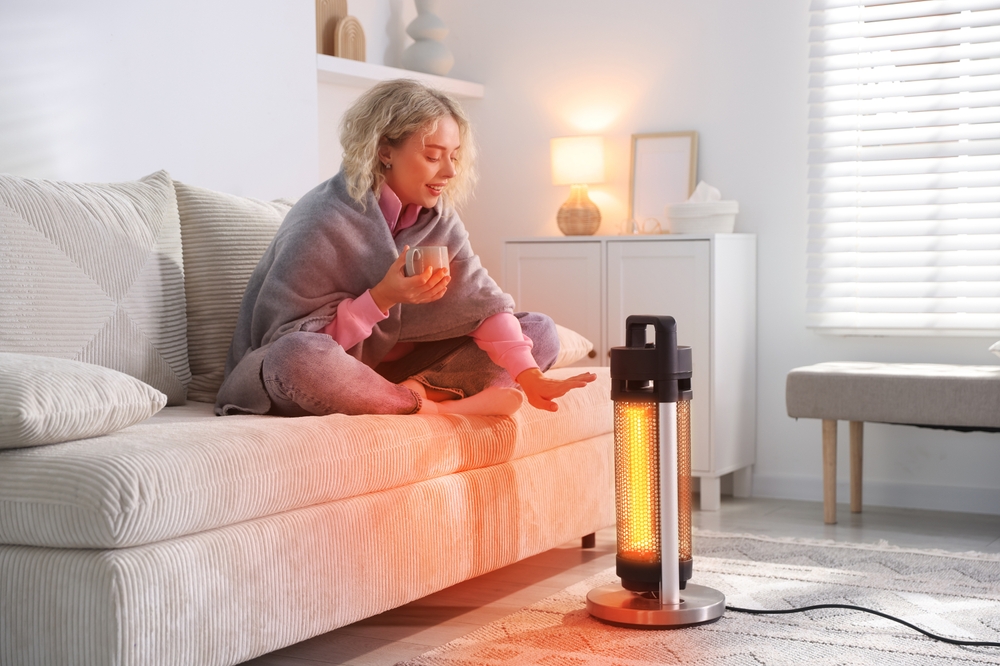
Home heating plays an important role in maintaining a comfortable living environment during colder months. A suitable heating system can keep rooms warm, reduce discomfort, and help create a pleasant atmosphere for everyone in the household. However, choosing the right system involves more than simply selecting the most powerful heater available.
The size of the property, insulation, room usage, energy costs, and maintenance requirements should all be considered. A well-planned approach can provide reliable warmth while helping homeowners manage energy consumption.
Understanding Your Heating Needs
Every home has different heating requirements. A small, well-insulated property may need considerably less heating than a large house with several rooms and poor insulation.
Before choosing or upgrading a heating system, consider:
- The size and layout of the home
- The local climate
- Existing insulation
- Number of occupants
- Typical heating requirements
- Available energy sources
- Installation and maintenance costs
Understanding these factors can help you choose a system that provides sufficient warmth without unnecessary energy use.
Common Home Heating Options
There are several ways to heat a home, and each option has its own advantages. Central heating systems are popular because they can distribute warmth throughout multiple rooms. Individual heaters may be more suitable for smaller properties or rooms that are only used occasionally.
Heat pumps are another option for homeowners looking for an efficient way to manage indoor temperatures. Electric heating systems can also provide convenient room-by-room control.
The best choice depends on the property’s design, budget, climate, and long-term requirements. A heating system should be selected based on actual household needs rather than simply following trends.
The Importance of Good Insulation
A heating system can only do so much if heat is constantly escaping. Proper insulation helps keep warm air inside and reduces the amount of energy required to maintain a comfortable temperature.
Walls, roofs, floors, windows, and doors can all affect heat retention. Gaps around doors and windows can allow warm air to escape, making rooms feel colder and forcing the heating system to work harder.
Improving insulation before upgrading a heating system can therefore be a sensible investment. A well-insulated home generally feels more comfortable and can require less heating to maintain a consistent indoor temperature.
Use a Suitable Thermostat
A thermostat provides greater control over indoor temperature. Instead of allowing heating to operate continuously, homeowners can set a comfortable temperature and adjust it according to their routine.
Programmable or smart thermostats can make this process more convenient. Heating can be scheduled around working hours, sleeping times, and periods when the home is occupied.
Avoid setting the temperature unnecessarily high. A moderate, consistent temperature can provide comfort while helping control energy consumption.
Keep Heating Systems Maintained
Regular maintenance is essential for reliable home heating. Dust, worn components, blocked filters, or other issues can reduce performance and increase energy use.
A basic maintenance routine may include:
- Checking filters where applicable
- Keeping vents and radiators unobstructed
- Inspecting visible pipes and connections
- Removing dust from accessible heating equipment
- Arranging professional servicing when required
Any unusual sounds, smells, leaks, or changes in performance should be investigated promptly. Early attention can help prevent more serious problems.
Improve Air Circulation
Good air circulation helps distribute warmth more evenly. Furniture, curtains, or other objects placed directly in front of heating outlets can prevent warm air from moving effectively around the room.
Keep vents and radiators clear whenever possible. Interior doors can also be managed according to the heating requirements of individual rooms.
If certain areas remain noticeably colder than others, the problem may relate to insulation, airflow, system performance, or room layout.
Reduce Unnecessary Heat Loss
Simple household habits can support more efficient heating. Closing doors to rooms that do not need heating can reduce wasted energy. Curtains and blinds can also help limit heat loss through windows, particularly during colder periods.
At the same time, homes should not be completely sealed without considering ventilation. Fresh airflow is important for indoor comfort and air quality.
The goal is to retain useful heat while maintaining a healthy indoor environment.
Consider Long-Term Costs
The initial purchase price of a heating system is only one part of its total cost. Installation, energy consumption, servicing, repairs, and replacement should also be considered.
A cheaper system may not always be the most economical choice if it consumes more energy or requires frequent maintenance. Similarly, investing in efficiency can sometimes reduce running costs over the long term.
Compare the complete cost of ownership before making a major decision.
Safety Should Come First
Heating equipment should always be used according to the manufacturer’s instructions. Portable heaters should be placed on stable surfaces and kept away from curtains, bedding, furniture, and other combustible materials.
Electrical connections should also be suitable for the equipment being used. Never ignore damaged cables, unusual smells, overheating, or other warning signs.
Professional assistance should be used for complex installation, repairs, or servicing when appropriate.
Conclusion
Effective home heating is about more than keeping rooms warm. A good approach combines the right heating system with insulation, sensible temperature control, regular maintenance, good airflow, and safe operating practices.
By understanding the needs of your property and considering both immediate comfort and long-term costs, you can create a warmer and more efficient living environment. Small improvements can make a meaningful difference, particularly when they are combined with a heating system that suits the home and the people living in it.

Comments are closed.