

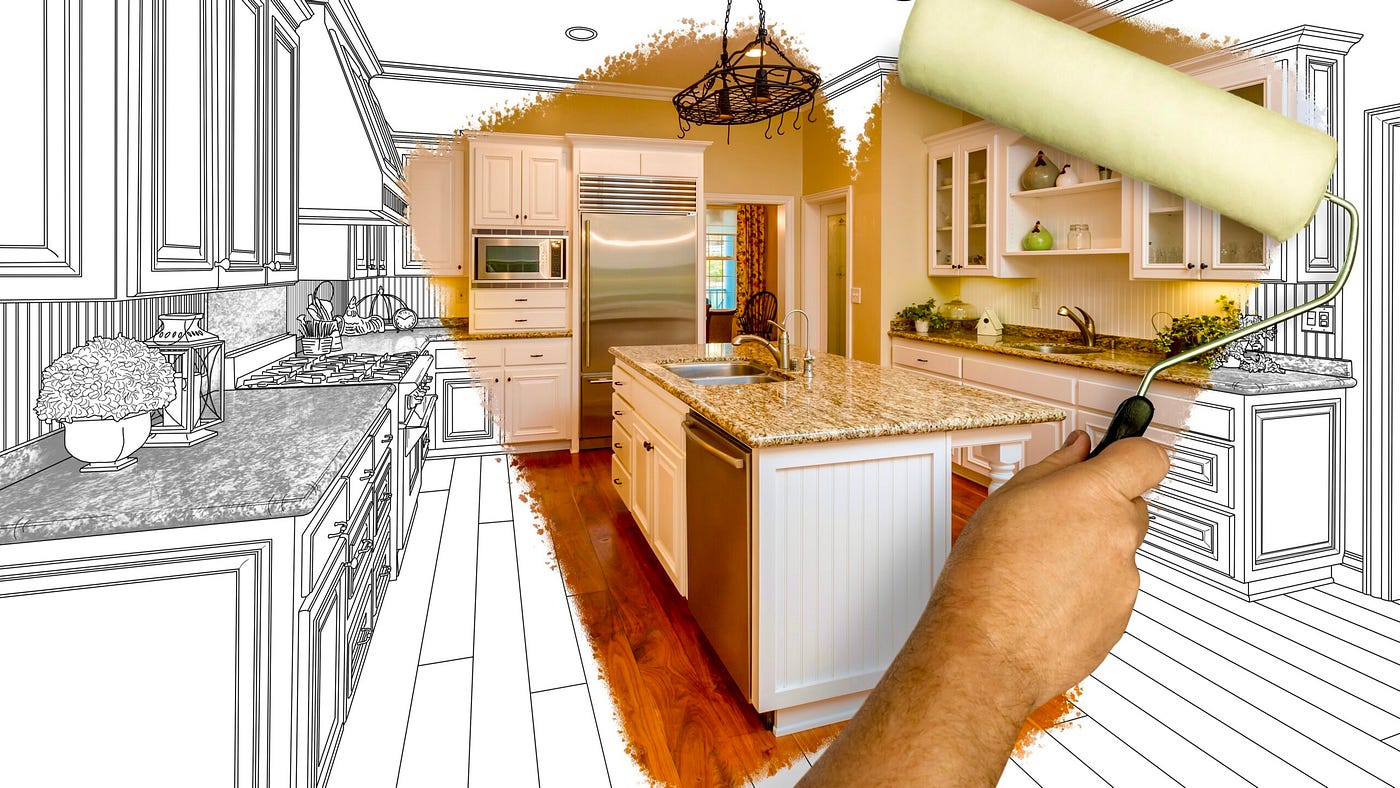
A home renovation can transform an outdated or uncomfortable property into a space that better suits modern needs. Whether the goal is to improve functionality, increase comfort, update the appearance, or make better use of available space, careful planning is essential.
Renovation projects can range from simple improvements to major structural changes. Regardless of the size of the project, making decisions before work begins can help control costs, reduce delays, and produce better results.
Start With Clear Renovation Goals
The first step is deciding what you want to achieve. A renovation should have a clear purpose rather than becoming a collection of unrelated improvements.
Consider whether you want to:
- Create additional living space
- Improve storage
- Modernise older rooms
- Upgrade kitchens or bathrooms
- Improve energy efficiency
- Repair damaged areas
- Improve the property’s overall appearance
Once the main goals are established, it becomes easier to decide which improvements deserve priority.
Set a Realistic Budget
Budgeting is one of the most important parts of a home renovation. Costs can quickly increase when materials, labour, fixtures, and unexpected repairs are added together.
Prepare a detailed budget covering the major areas of the project. It is also sensible to keep some funds aside for unexpected issues. Older properties, in particular, may reveal problems behind walls, floors, or ceilings once work begins.
A realistic budget should consider both immediate expenses and longer-term maintenance requirements.
Decide What to Renovate First
Not every part of a home needs to be renovated at the same time. Prioritising projects can make the process more manageable.
Structural repairs, electrical problems, plumbing issues, roof damage, and serious moisture problems should generally receive attention before purely decorative changes.
Once essential repairs are addressed, you can focus on improvements such as flooring, painting, furniture, lighting, and decorative features.
Plan the Layout Carefully
A renovation provides an opportunity to improve how a home functions. Think about how people move between rooms and whether the existing layout supports everyday activities.
Removing unnecessary barriers, improving storage, or changing the position of certain fixtures can make a significant difference.
Before making structural changes, consider how the new arrangement will affect natural light, ventilation, privacy, furniture placement, and future needs.
Choose Materials Wisely
Materials should be selected according to their appearance, durability, maintenance requirements, and suitability for each room.
For busy areas, durable flooring and easy-to-clean surfaces can provide practical benefits. Kitchens and bathrooms require materials that can handle moisture and frequent cleaning.
Do not choose materials based solely on appearance. A product that looks attractive but requires constant maintenance may become frustrating over time.
Improve Energy Efficiency
A renovation can be a good opportunity to reduce unnecessary energy use. Improvements to insulation, windows, doors, lighting, and appliances can contribute to better household efficiency.
Before making changes, identify where the home may be losing heat or using excessive energy. Improving these areas can make the property more comfortable while potentially reducing ongoing costs.
Energy-efficient improvements should be selected according to the property’s design and local conditions.
Think About Lighting
Lighting can dramatically change the atmosphere of a renovated space. Consider both natural and artificial light during the planning stage.
Large windows, suitable window treatments, mirrors, and lighter finishes can help maximise daylight. Artificial lighting should then provide adequate illumination after dark.
Different areas may require different types of lighting. Workspaces need clear visibility, while bedrooms and living areas may benefit from softer, more relaxing illumination.
Improve Storage
Insufficient storage is a common problem in many homes. A renovation provides an opportunity to create better places for belongings.
Built-in cabinets, wardrobes, shelving, drawers, and multifunctional furniture can help keep rooms organised.
Use unused areas where possible, including corners, spaces beneath stairs, and vertical wall space. Effective storage can make a home feel larger without increasing its physical size.
Work With the Right Professionals
Some renovation work requires specialist knowledge and experience. Depending on the project, you may need qualified tradespeople for electrical, plumbing, structural, or other technical work.
Choose professionals based on relevant experience, clear communication, workmanship, and a proper understanding of the project requirements.
Discuss the scope of work in advance and make sure expectations about materials, timing, costs, and responsibilities are clear.
Expect Some Disruption
Renovation work can affect normal household routines. Dust, noise, temporary loss of rooms, deliveries, and construction activity are common parts of larger projects.
If possible, plan alternative arrangements for essential areas such as cooking, bathing, sleeping, or working.
Keeping the work area organised can also improve safety and make the renovation process less stressful.
Do Not Ignore Maintenance
A renovation should be planned with future maintenance in mind. Choose materials and fixtures that can be cleaned, repaired, and replaced without unnecessary difficulty.
Keep records of important products, finishes, appliances, and maintenance information. This can be helpful when repairs or replacements are needed later.
Regular maintenance after the renovation will protect the improvements and help preserve their appearance.
Conclusion
A successful home renovation requires more than attractive design ideas. Clear goals, realistic budgeting, careful planning, durable materials, efficient layouts, suitable lighting, and professional workmanship all contribute to a better result.
Taking time to plan before construction begins can reduce unnecessary costs and prevent avoidable problems. By focusing on both immediate improvements and long-term practicality, homeowners can create spaces that are comfortable, functional, attractive, and better suited to everyday life.

Comments are closed.