

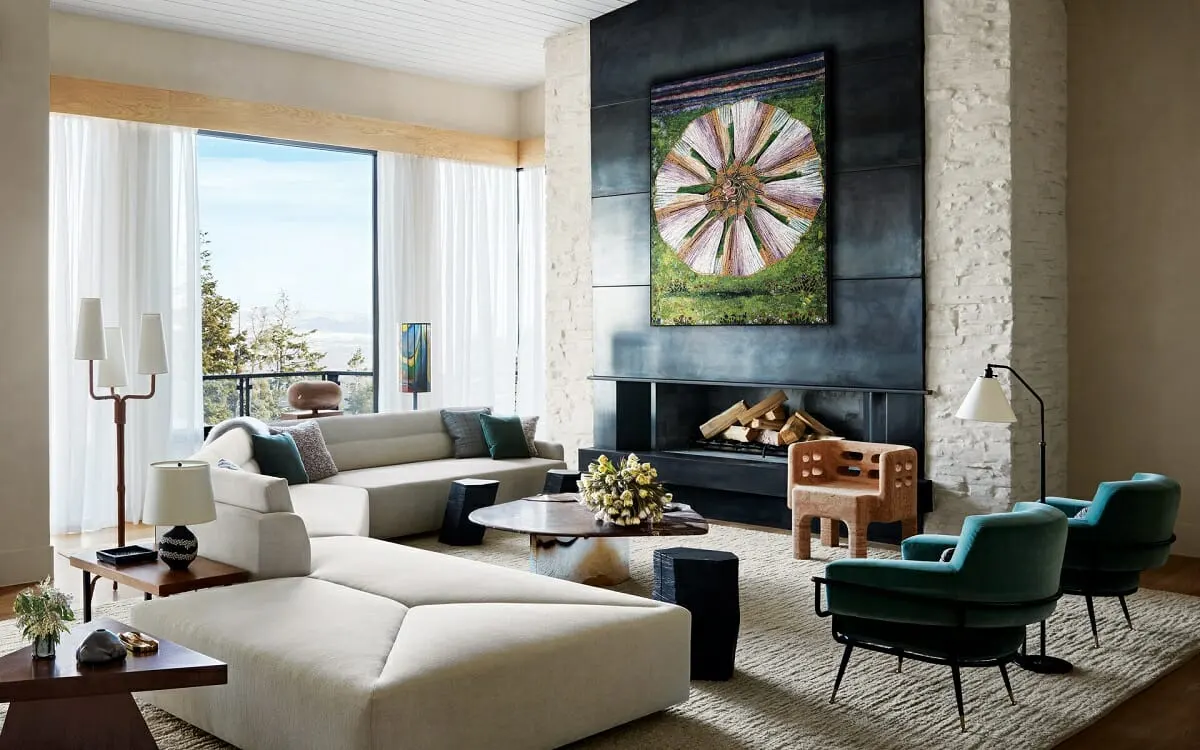
Interior design is about creating spaces that are attractive, comfortable, practical, and suited to the people who use them. A successful home does not simply contain beautiful furniture and decorations. Every element should work together to create a balanced environment that supports everyday activities.
Whether you are furnishing a new property or updating an existing home, thoughtful interior design can make a significant difference. Good planning helps you use available space effectively while allowing your personal style to become part of the overall appearance.
Begin With a Clear Design Plan
Before choosing furniture, colours, or accessories, think about the purpose of each room. A living room may need to support conversations, entertainment, and relaxation, while a bedroom should provide a calm and comfortable environment.
Consider the size of the room, natural lighting, existing features, and the way people move through the space. Creating a basic plan before purchasing anything can prevent unnecessary spending and unsuitable choices.
It is also helpful to decide on a general design direction. Modern, traditional, minimalist, industrial, and contemporary styles can all create attractive results when applied consistently.
Choose Colours Carefully
Colour is one of the most noticeable elements of interior design. It can influence how spacious, warm, bright, or relaxing a room feels.
Neutral shades can provide a flexible foundation, allowing furniture and accessories to stand out. Stronger colours can then be introduced through feature walls, artwork, cushions, rugs, or other details.
When choosing a colour palette, consider:
- The amount of natural light
- The size of the room
- Existing furniture
- The mood you want to create
- How nearby rooms connect visually
A consistent colour scheme can help different areas of the home feel connected without making every room look identical.
Select Furniture for Comfort and Scale
Furniture should be both attractive and practical. Before buying a piece, consider whether it fits the room and provides the required level of comfort.
Large furniture can overwhelm a small room, while undersized pieces may appear lost in a large space. Measuring the room and checking furniture dimensions beforehand can help avoid these problems.
Leave enough space between furniture pieces for comfortable movement. A well-arranged room should feel open and easy to navigate rather than crowded.
Make Lighting Part of the Design
Lighting can transform the appearance of an interior. A room may have excellent furniture and colour choices, but poor lighting can make it feel dull or uncomfortable.
Use different types of lighting according to the room’s purpose. Ceiling fixtures can provide general illumination, while floor and table lamps can create focused areas for reading or relaxing.
Natural light should also be considered. Keep windows unobstructed where possible and use suitable curtains or blinds to control brightness and privacy.
Add Texture and Depth
Using different textures can make a room feel more interesting and inviting. Smooth furniture surfaces can be balanced with soft fabrics, woven materials, natural wood, rugs, and decorative cushions.
Texture is particularly useful when working with neutral colours. Even a simple palette can feel rich when different materials are combined thoughtfully.
Avoid adding too many competing patterns. A few carefully selected textures can create a more sophisticated appearance.
Use Space Efficiently
Good interior design is especially important in smaller homes. Every area should serve a purpose without feeling overcrowded.
Multifunctional furniture can be useful in compact spaces. Storage benches, extendable tables, built-in shelving, and furniture with hidden compartments can provide practical solutions.
Vertical space should not be overlooked. Tall shelving and wall-mounted storage can increase capacity while keeping floors clear.
Create a Strong Focal Point
A focal point gives a room visual structure. It may be a fireplace, artwork, feature wall, statement light, large window, or distinctive piece of furniture.
Once a focal point has been selected, arrange other elements around it. This helps prevent the room from appearing visually scattered.
Not every item needs to attract attention. Supporting features should complement the main feature rather than compete with it.
Bring Personal Style Into the Home
A home should reflect the people who live there. Personal photographs, favourite books, artwork, handmade objects, and meaningful decorations can make an interior feel authentic.
Following design trends can provide inspiration, but copying a trend completely may not produce a space that feels personal. Choose elements that suit your lifestyle, preferences, and daily habits.
A comfortable home should feel lived in rather than like a showroom.
Keep Clutter Under Control
Even beautiful interiors can lose their appeal when surfaces become overloaded with unnecessary items. Good storage is therefore an important part of interior planning.
Keep frequently used objects accessible while storing less important items neatly away. Regularly reviewing belongings can also help maintain a clean and organised appearance.
A room often feels more spacious when there are clear surfaces and open areas.
Think About Long-Term Functionality
Interior design should not focus only on how a room looks today. Consider how your needs may change over time.
Choose durable materials and flexible furniture where possible. Practical choices can help a room remain useful as household routines change.
Investing in quality where it matters can also reduce the need for frequent replacements.
Conclusion
Effective interior design combines beauty, comfort, functionality, and personal expression. From colour and lighting to furniture, storage, and texture, every element contributes to the overall character of a home.
The best interiors are not necessarily the most expensive. They are spaces that have been thoughtfully planned and adapted to the people who use them. By focusing on balance, practicality, and personal style, you can create a home that looks inviting and feels comfortable every day.

Comments are closed.