

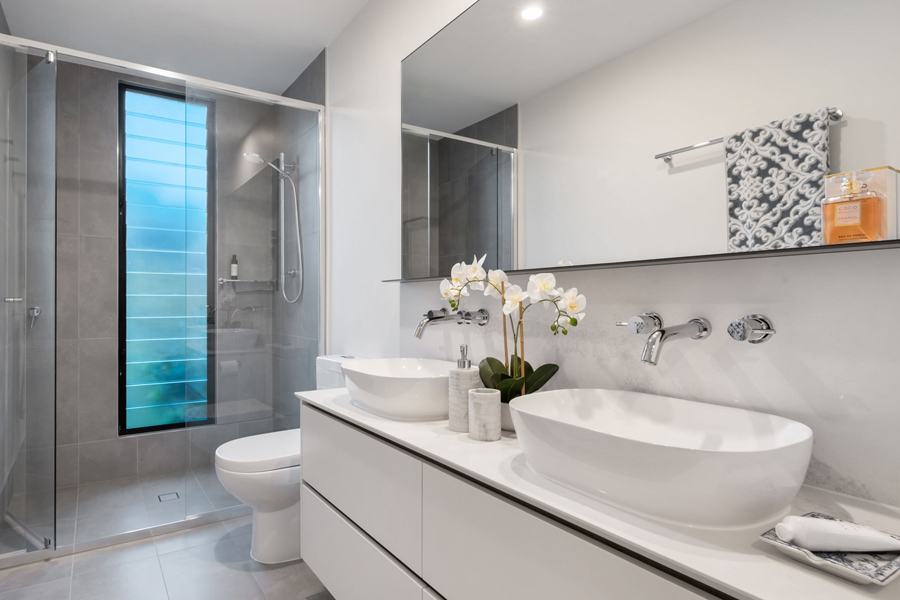
A bathroom is one of the most important spaces in any home. Although it is often smaller than other rooms, it plays a major role in daily routines. A well-designed bathroom can provide comfort, convenience, privacy, and a sense of relaxation. Whether you are building a new home or improving an existing space, thoughtful planning can make the bathroom more practical and attractive.
Planning the Right Layout
Good bathroom design begins with an efficient layout. Every fixture should have enough space around it for comfortable use. The placement of the shower, toilet, basin, storage units, and other features should allow people to move around without feeling restricted.
Before making changes, consider how the room is used each day. A family bathroom may need more storage and durable surfaces, while a smaller guest bathroom can focus on essential fixtures and a simple design.
Proper planning can also make cleaning easier. Avoiding unnecessary corners and difficult-to-reach areas helps maintain a neat environment.
Choosing Suitable Fixtures
Bathroom fixtures should balance appearance, comfort, durability, and practicality. A stylish fixture may look impressive, but it should also suit the available space and meet everyday needs.
When selecting fixtures, consider:
- The size and shape of the room
- Water efficiency
- Ease of cleaning
- Long-term durability
- Ease of installation and maintenance
A comfortable basin, efficient toilet, and well-designed shower can make everyday use much more convenient. For smaller spaces, wall-mounted fixtures can create a more open appearance and provide additional floor space.
Creating Effective Storage
Storage is essential for keeping a bathroom organised. Towels, toiletries, cleaning products, personal-care items, and other necessities can quickly make the room feel cluttered when there is not enough storage.
Vanity units, wall cabinets, shelves, and storage baskets can provide practical solutions. Open shelving can make frequently used items easy to reach, while closed cabinets can keep less attractive products out of sight.
Using vertical wall space is particularly useful in compact bathrooms. Tall storage units can offer considerable capacity without taking up too much floor area.
Selecting Colours and Materials
The colours and materials used in a bathroom strongly influence its overall atmosphere. Light shades can make a smaller room appear more spacious, while natural or neutral tones can create a calm and timeless look.
Tiles are a popular choice because they are durable and relatively easy to clean. However, different surfaces can be combined to add visual interest. For example, a simple wall colour can be paired with patterned flooring or textured tiles.
When choosing materials, always consider moisture resistance. Bathroom surfaces regularly come into contact with water and humidity, so unsuitable materials may deteriorate over time.
Improving Lighting
Good lighting makes a bathroom more functional and inviting. Natural light is valuable when available, but artificial lighting is equally important.
A combination of general lighting and focused lighting can work well. Bright lighting around a basin or mirror can make grooming tasks easier, while softer lighting can create a more relaxing atmosphere.
Mirrors can also improve the sense of space by reflecting light. In smaller bathrooms, a large, well-positioned mirror can make the room feel brighter and more open.
Focusing on Ventilation
Proper ventilation is often overlooked, but it is essential. Bathrooms naturally produce moisture from showers, baths, and hot water. Without sufficient ventilation, excessive humidity can contribute to unpleasant smells, damp surfaces, and mould.
An effective ventilation system helps remove humid air and improves indoor comfort. Windows can provide natural airflow, while an appropriate exhaust fan can be useful where natural ventilation is limited.
Keeping the bathroom dry after use and addressing leaks promptly can also help protect walls, ceilings, fixtures, and flooring.
Adding Comfort and Style
A bathroom does not have to be purely functional. Small design details can make the space feel more comfortable and personal. Soft towels, attractive storage baskets, suitable artwork, plants that tolerate humidity, and carefully selected accessories can add character without creating clutter.
The goal is to create a space that feels clean, calm, and easy to use. A simple design with a few thoughtful details can often be more effective than filling the room with unnecessary decorations.
Maintaining a Clean Bathroom
Regular maintenance keeps a bathroom looking fresh and helps prevent expensive problems. Surfaces should be cleaned regularly, while drains, taps, seals, and fixtures should be checked for signs of damage.
Small issues such as dripping taps, loose fittings, blocked drains, or damaged sealant should not be ignored. Addressing them early can prevent more serious water-related damage.
A practical cleaning routine may include:
- Wiping wet surfaces after use
- Cleaning sinks and toilets regularly
- Washing shower areas and floors
- Checking for leaks
- Keeping ventilation areas clear
Conclusion
A successful bathroom combines practical planning, suitable materials, good lighting, effective storage, and regular maintenance. It should support everyday routines while also providing a comfortable and pleasant environment.
Whether the space is large or compact, thoughtful choices can make a significant difference. By focusing on functionality first and adding personal style through carefully selected details, homeowners can create a bathroom that remains useful, attractive, and comfortable for years to come.

Comments are closed.