

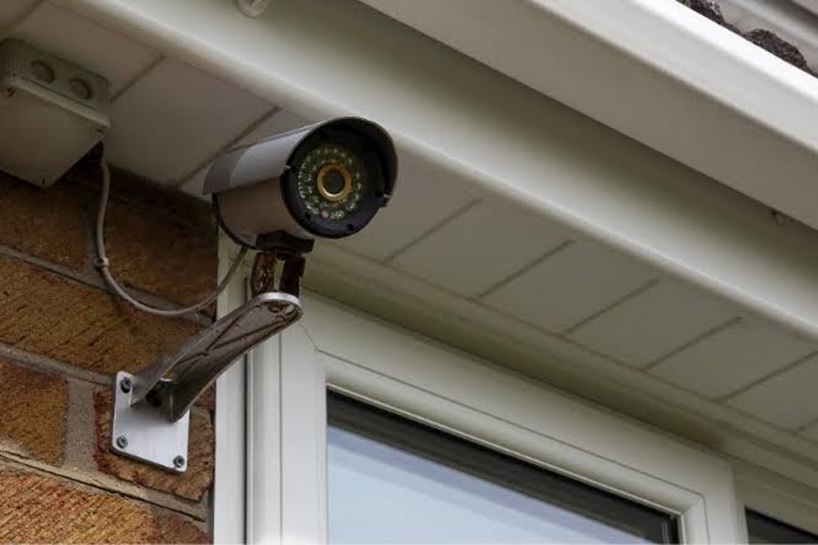
Most homeowners notice obvious security concerns, such as a broken lock, a dark driveway, or an outdated alarm system. What they often miss are the smaller gaps created by the property layout, daily routines, access points, and visibility around the home.
A residential security assessment helps identify these risks before money is spent on equipment or upgrades that may not solve the real problem.
Key Takeaways
- A residential security assessment looks beyond cameras, alarms, and locks.
- Small property details can create security gaps homeowners may not notice.
- Poor lighting, hidden access points, and weak door hardware are common concerns.
- Existing security equipment may not be placed or configured effectively.
- Vendor-neutral guidance helps homeowners prioritize the right improvements first.
Why Homeowners Often Miss Security Risks
Homeowners usually see their property through the lens of daily use. They know where they park, which door they use most, and where packages are delivered. A security consultant looks at the home differently.
The assessment considers how someone could approach the property, where they could remain unseen, and which entry points may be easier to access. This includes front doors, side gates, windows, garage doors, detached structures, fencing, landscaping, lighting, and surrounding conditions.
A home may appear secure from the street but still have weak points along the side yard, backyard, or garage entrance.
Equipment Alone May Not Solve the Problem
Cameras, alarms, motion lights, and smart locks can all be useful. The issue is that they need to support the property’s actual risk profile.
For example, a camera may cover the front porch but miss a side gate. A motion light may brighten the driveway but leave a walkway dark. A strong lock may still be limited by a weak door frame. An alarm system may not cover the access point most likely to be used.
A residential security assessment helps determine whether the equipment is placed, configured, and supported by the rest of the home’s security plan.
What a Residential Security Assessment Reviews
SafeHouse Security Consultants evaluates residential properties with a practical, property-specific approach. The assessment may review doors, windows, locks, gates, lighting, landscaping, alarms, cameras, access points, daily routines, visibility, surrounding conditions, and the overall property layout.
This helps reveal how the home actually functions, not just how it appears at first glance.
How the Assessment Helps Prioritize Improvements
Not every security concern requires a major purchase. Some recommendations may involve trimming landscaping, improving exterior lighting, reinforcing a door, adjusting camera placement, or changing access routines.
Other improvements may require help from a trusted vendor, such as gate repair, lock upgrades, alarm adjustments, or camera installation. SafeHouse provides vendor-neutral guidance and may help coordinate trusted vendors when repairs, upgrades, or installations are needed.
Why Vendor-Neutral Guidance Matters
A residential security assessment is different from a sales visit. The goal is not to push a specific product. The goal is to identify vulnerabilities, explain what matters most, and help the homeowner make informed decisions.
SafeHouse provides written findings and prioritized recommendations based on the property, the homeowner’s concerns, and local risk factors. This helps homeowners avoid scattered upgrades and focus on improvements that make practical sense.
Final Thoughts
A strong residential security plan starts with understanding the property. Before investing in more equipment, homeowners should know where their real exposure points are and which improvements matter most.
SafeHouse Security Consultants helps homeowners identify security gaps and create practical next steps based on the property itself.
Call (424) 352-8639 to discuss a residential security assessment.
Frequently Asked Questions
What is a residential security assessment?
A residential security assessment is a professional review of a home’s security risks. It may include doors, windows, locks, gates, lighting, landscaping, alarms, cameras, access points, routines, and surrounding conditions.
Do I need an assessment if I already have cameras or an alarm system?
Yes, an assessment can still be useful. Existing equipment may not cover the right areas, may be poorly positioned, or may not work together with the rest of the property’s security plan.
What kinds of risks do homeowners usually miss?
Common missed risks include poor lighting, hidden side paths, weak door frames, unsecured gates, overgrown landscaping, blind spots, detached garage access, and equipment that is aimed or configured incorrectly.
Will SafeHouse install the recommended equipment?
SafeHouse is primarily a security consulting and assessment company. The team evaluates the property and provides recommendations. When needed, SafeHouse may help coordinate trusted vendors for installations, repairs, upgrades, or pricing.
Who should consider a residential security assessment?
Homeowners, families, home buyers, home sellers, and real estate professionals may benefit from an assessment. It is especially helpful before buying new equipment, preparing a home for sale, moving into a new property, or improving security before travel or vacancy.
This article was written by a professional at SafeHouse Security Consultants. SafeHouse Security Consultants’ mission was to bring peace of mind into the home. We want to remove those fears and give you and your family peace of mind and security by applying our ten years of experience protecting people and properties to your home. We can help you protect your home with home security system companies in Hollywood, and eliminate those fears so that you can concentrate on the things that matter most to you.

Comments are closed.