

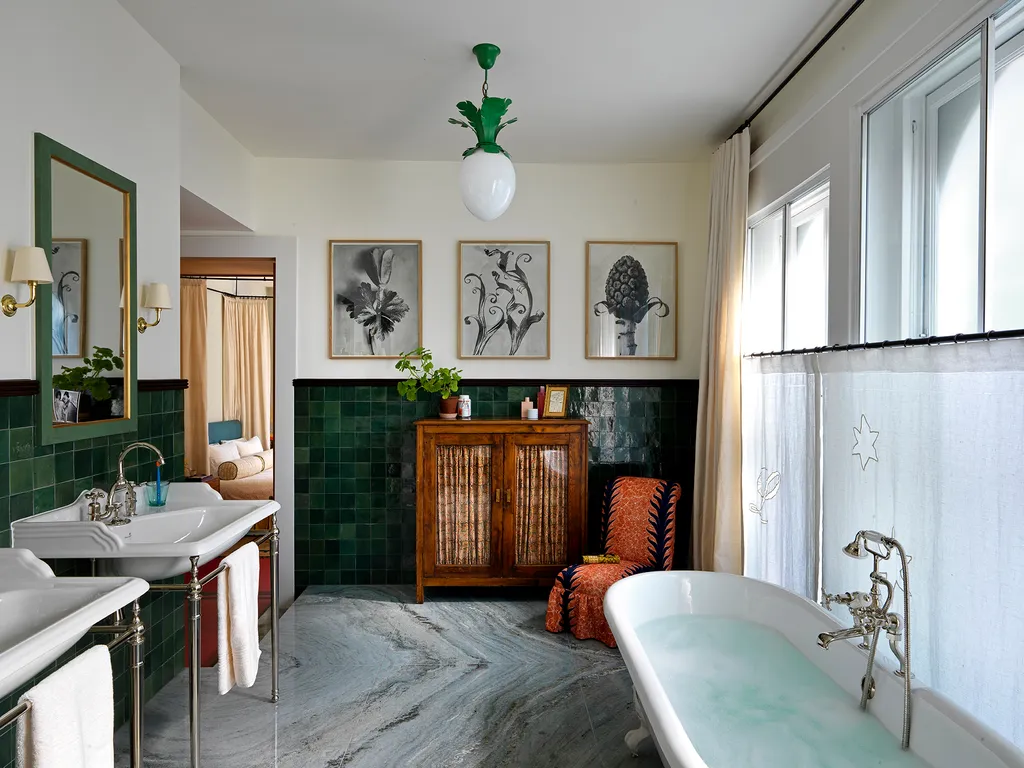
A modern bathroom should be more than a place for basic daily routines. With thoughtful planning, it can become a comfortable, organised, and relaxing part of the home. The best designs combine practical features with attractive details, making the space easy to use while maintaining a clean and welcoming appearance.
Whether you are renovating an older room or planning a completely new bathroom, focusing on functionality can help you make better design decisions. From the layout and fixtures to storage and lighting, every element can contribute to a more enjoyable space.
Start With a Practical Layout
The layout is one of the most important parts of bathroom design. A room can have beautiful fixtures and finishes, but poor positioning can make it uncomfortable to use.
Consider how people will move through the space. There should be enough room to enter, use the basin, access the shower, and reach storage areas without unnecessary obstacles.
For smaller bathrooms, careful planning is especially important. Compact fixtures, wall-mounted furniture, and sliding doors can help save valuable floor space.
Choose Fixtures Carefully
Bathroom fixtures are available in many styles, sizes, and designs. When making a selection, appearance should not be the only consideration. Fixtures should also be comfortable, durable, and suitable for the room.
A well-designed basin can provide useful space for everyday items, while an efficient toilet can help reduce water consumption. Shower systems should offer convenient controls and sufficient water flow without making the area feel crowded.
Choosing fixtures that suit the size of the room creates a more balanced appearance.
Make Storage a Priority
Clutter can quickly make a bathroom feel smaller and less comfortable. Good storage helps keep everyday items organised and surfaces clear.
Vanity cabinets, wall-mounted cupboards, recessed shelves, and compact storage units can all be useful. Frequently used products can be kept within easy reach, while cleaning supplies and spare toiletries can be stored in closed cabinets.
If floor space is limited, make use of the walls. Vertical storage provides additional capacity without significantly reducing the usable area.
Select Durable Materials
Bathrooms are exposed to moisture every day, so materials need to withstand regular contact with water and humidity. Choosing durable surfaces can improve the appearance and lifespan of the room.
Flooring should provide good grip, especially when wet. Wall surfaces should be easy to clean, while cabinets should be made from materials suitable for humid environments.
It is also worth considering how much maintenance different finishes require. A beautiful surface that needs constant care may not be practical for a busy household.
Use Lighting Effectively
Lighting can completely change the atmosphere of a bathroom. A combination of general and task lighting can make the room both functional and comfortable.
Bright lighting near the mirror is useful for shaving, grooming, and applying personal-care products. General lighting should provide enough illumination throughout the room without creating uncomfortable glare.
Where possible, natural light can also improve the atmosphere. Windows and other suitable openings can make the space feel brighter and more spacious.
Improve Ventilation
Moisture is a natural part of bathroom use, particularly during showers and baths. Without proper ventilation, humidity can build up and create problems such as condensation, unpleasant smells, and mould.
A suitable ventilation system helps remove moist air and protect the room. Windows can provide natural airflow, while exhaust fans can offer additional support.
It is also important to repair leaking taps, pipes, and fittings promptly. Small water problems can become expensive if they are allowed to continue.
Create a Relaxing Atmosphere
A modern bathroom can also provide a sense of relaxation. Simple design choices can make the room feel calm without adding unnecessary decoration.
Neutral colours, natural textures, soft towels, and carefully chosen accessories can create a comfortable environment. Plants that are suitable for humid conditions can also add a fresh touch.
Avoid overcrowding the room with decorative items. A clean and organised appearance often creates a stronger impression than excessive decoration.
Keep Maintenance Simple
A bathroom that is easy to maintain is more likely to remain attractive over time. Select surfaces and fixtures that can be cleaned without excessive effort.
Regular cleaning should include sinks, toilets, shower areas, floors, mirrors, and frequently touched fittings. Drains should also be checked regularly to prevent blockages.
A simple maintenance routine can include:
- Removing excess water from wet surfaces
- Cleaning fixtures regularly
- Checking seals and joints for damage
- Keeping drains clear
- Inspecting taps and pipes for leaks
Taking care of small problems early can prevent larger repairs later.
Balance Style With Function
One of the biggest mistakes in bathroom design is focusing too heavily on appearance. A bathroom should look attractive, but it must also work well for the people using it.
Choose colours, fixtures, furniture, and accessories that complement one another while keeping everyday convenience in mind. The most successful designs are often those where practical features blend naturally with the overall style.
Conclusion
Designing a comfortable bathroom requires a balance of functionality, durability, organisation, and personal style. A practical layout, suitable fixtures, effective storage, reliable ventilation, and good lighting can transform an ordinary space into a more enjoyable part of the home.
By making thoughtful choices from the beginning and maintaining the room regularly, you can create a bathroom that remains attractive, convenient, and comfortable for everyday use.

Comments are closed.