

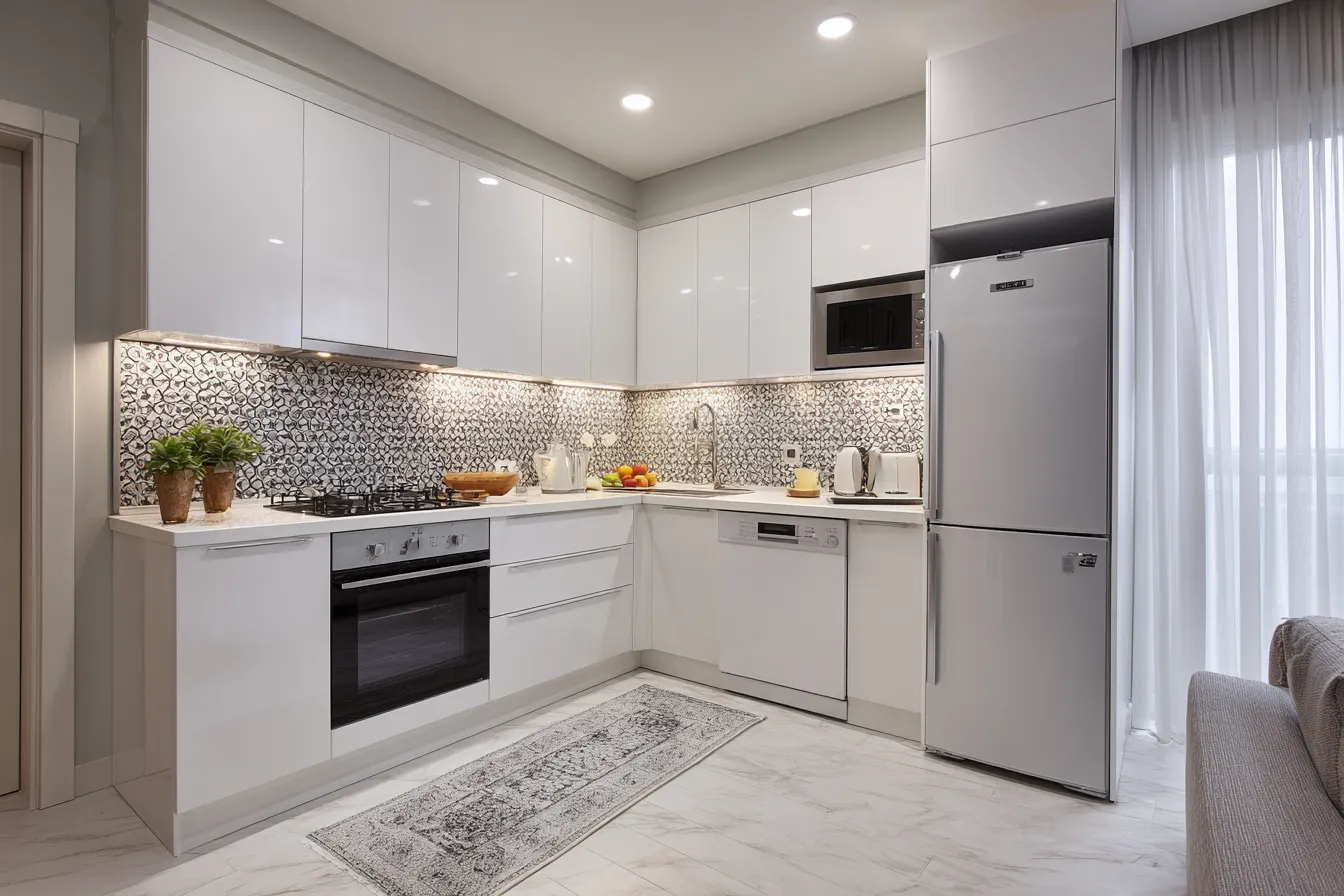
The kitchen is one of the most active spaces in a home. It is where meals are prepared, groceries are organised, conversations happen, and family members often gather throughout the day. A well-planned kitchen should therefore combine functionality, comfort, safety, and attractive design.
Creating a useful kitchen does not always require a large space or an expensive renovation. Careful planning, sensible storage, suitable appliances, and durable materials can make a significant difference. Whether you are designing a new room or improving an existing one, focusing on everyday needs is a good place to start.
Plan the Layout Carefully
The layout determines how easily you can move between different areas while cooking and cleaning. A good arrangement should keep frequently used work areas within convenient reach without making the room feel crowded.
Think about the relationship between the cooking area, sink, refrigerator, and preparation surfaces. These areas should work together naturally, allowing you to complete tasks without unnecessary movement.
Before installing cabinets or appliances, measure the available space carefully. Consider doors, windows, walkways, and the direction in which appliances open.
Choose Functional Storage
Storage is essential for keeping a kitchen organised. Pots, pans, dishes, utensils, ingredients, cleaning supplies, and small appliances can quickly take over valuable space without an effective storage plan.
Cabinets and drawers should be selected according to what you actually use. Deep drawers can be useful for cookware, while narrow spaces can hold utensils or bottles.
Useful storage ideas include:
- Pull-out shelves
- Deep drawers
- Corner storage units
- Wall-mounted cabinets
- Open shelves
- Pantry organisers
Using vertical space can also increase storage without taking up additional floor area.
Select Durable Work Surfaces
Worktops experience regular use, so durability should be a major consideration. They need to withstand food preparation, spills, heat, cleaning, and everyday wear.
When selecting a work surface, consider its resistance to stains, scratches, moisture, and heat. Maintenance requirements should also be taken into account.
A beautiful material is only a practical choice if it can handle the demands of your household. Choose a surface that matches both your cooking habits and maintenance preferences.
Invest in Suitable Appliances
Kitchen appliances can make daily tasks easier, but they should be selected according to actual needs. Buying every available appliance can create clutter and consume valuable storage space.
Consider the size of your household and how frequently you cook. A family that prepares meals regularly may benefit from larger cooking and refrigeration capacity, while a smaller household may prefer compact appliances.
Energy efficiency is also worth considering. Appliances that use less energy can help reduce ongoing household costs.
Improve Kitchen Lighting
Good lighting is essential for safe and comfortable food preparation. A single ceiling light may leave important work areas in shadow.
Use a combination of general and task lighting where possible. Lights beneath cabinets can illuminate worktops, while overhead fixtures can provide broader illumination.
Natural light can also improve the atmosphere. Keep windows clear where practical and use suitable window coverings that allow daylight in while providing privacy when needed.
Choose Colours and Finishes Carefully
The visual design of a kitchen can influence how spacious and welcoming it feels. Light colours can make compact rooms appear brighter, while deeper tones can create a warmer and more dramatic atmosphere.
Cabinet finishes, worktops, flooring, splashbacks, and hardware should complement one another. You do not need to use the same finish everywhere. A simple combination of contrasting materials can create visual interest.
Choose finishes that are easy to clean, especially in areas exposed to food splashes and moisture.
Make Cleaning Easier
A practical kitchen should be easy to maintain. Surfaces that are simple to wipe down can save time and help keep the room hygienic.
Avoid unnecessary decorative details that create difficult-to-clean gaps. Keep worktops reasonably clear and organise frequently used items so they are easy to access.
Regular cleaning should include work surfaces, sinks, cooking areas, cabinet handles, floors, and appliances. Small maintenance tasks can prevent dirt and grease from building up.
Focus on Safety
Safety should always be considered when designing a kitchen. Hot surfaces, sharp utensils, electrical appliances, and spills can create potential hazards.
Keep cooking equipment positioned safely and avoid placing flammable materials near heat sources. Electrical appliances should be used according to their instructions, and damaged cables should be replaced promptly.
Good lighting and clear walkways can also reduce the risk of accidents.
Create a Comfortable Environment
A kitchen should be practical but also pleasant to spend time in. Comfortable seating, suitable ventilation, attractive accessories, and a well-organised layout can make the room more enjoyable.
Good ventilation is particularly important because cooking produces heat, steam, smoke, and odours. An effective ventilation system can help maintain a fresher indoor environment.
Adding a few plants, decorative items, or personal touches can also make the kitchen feel more welcoming without creating clutter.
Keep Future Needs in Mind
When making major changes, think beyond your current requirements. Household needs can change over time, so flexible design choices can provide better long-term value.
Consider additional storage, adaptable work areas, accessible controls, and durable materials. A kitchen that can adjust to changing routines is more likely to remain useful for many years.
Conclusion
A successful kitchen combines thoughtful planning, efficient storage, durable materials, suitable appliances, good lighting, safety, and personal style. The most effective designs focus on how people actually use the space rather than simply following trends.
By choosing practical features and maintaining the room regularly, you can create a kitchen that is organised, comfortable, attractive, and ready to support everyday cooking and family life.

Comments are closed.