

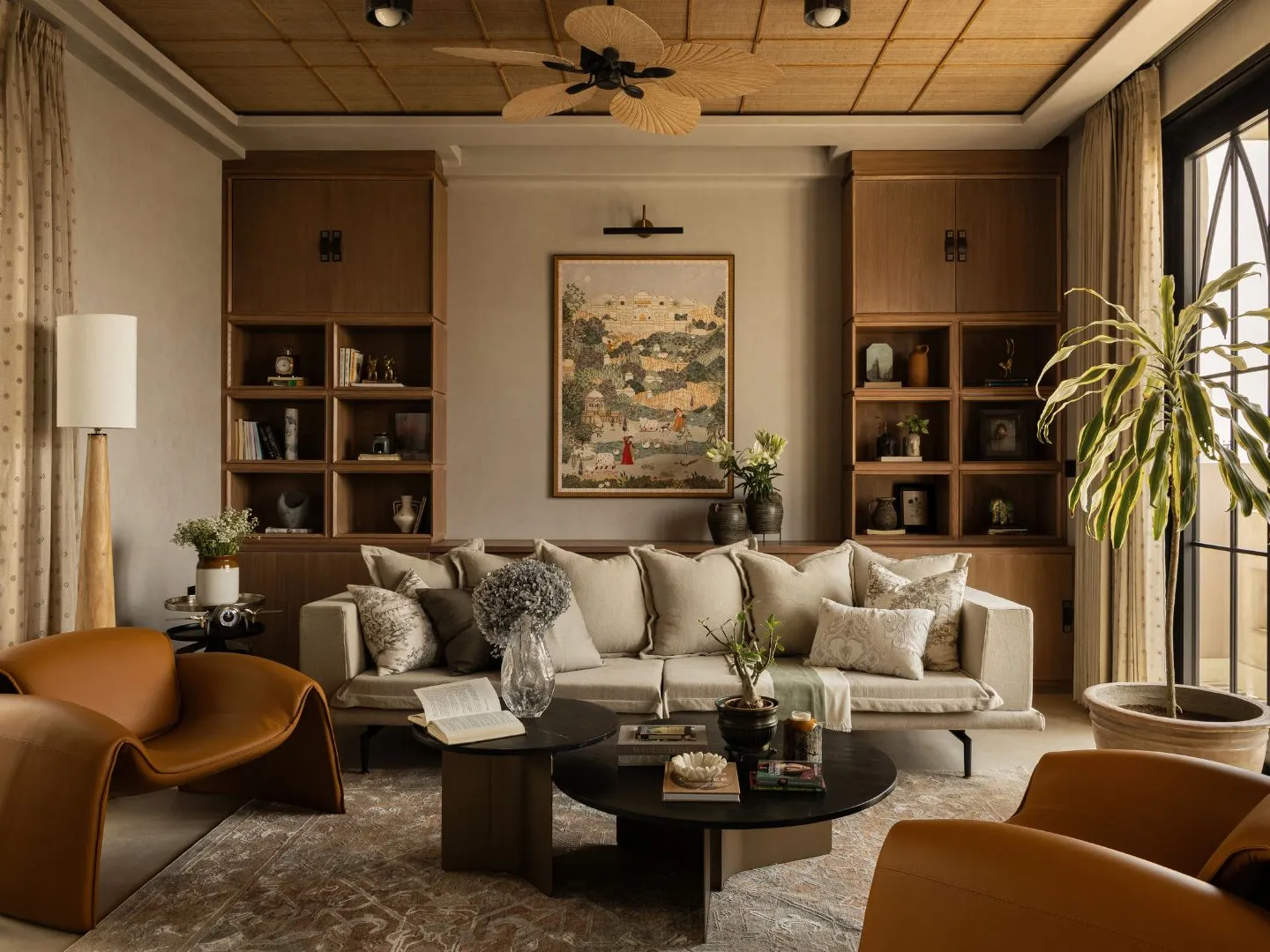
A well-designed home should feel comfortable, organised, and welcoming while reflecting the personality of the people who live there. Interior design is not simply about choosing attractive furniture or fashionable colours. It involves understanding how a space is used and arranging its features so that appearance and functionality work together.
With careful planning, even a modest home can feel spacious and stylish. The key is to make thoughtful choices about layout, lighting, colour, furniture, storage, and decoration.
Understand the Space First
Before starting any interior design project, take time to understand the room. Look at its dimensions, natural light, doors, windows, architectural features, and existing furniture.
Think about how the room will be used throughout the day. A family living room may need flexible seating and plenty of storage, while a bedroom may benefit from a calmer arrangement with minimal distractions.
Creating a simple plan before purchasing anything can prevent costly mistakes and help establish a clear direction.
Choose a Consistent Style
There are many interior styles to explore, including modern, minimalist, traditional, contemporary, rustic, and industrial. Choosing a general style can make decorating decisions much easier.
You do not have to follow one style strictly. Different influences can be combined successfully when they share colours, materials, or proportions.
For example, contemporary furniture can work well with natural wooden details and traditional artwork. The important thing is to create a sense of connection between the different elements.
Use Colour With Purpose
Colour can change the entire mood of a room. Soft neutral colours can create a calm and spacious feeling, while richer shades can add warmth and personality.
Instead of using many unrelated colours, select a simple palette. A main shade can be supported by complementary colours through furniture, fabrics, artwork, and accessories.
When choosing colours, consider the amount of natural light available. Darker shades may create a cosy atmosphere, while lighter tones can help smaller rooms appear brighter.
Arrange Furniture Carefully
Furniture placement has a major impact on how comfortable a room feels. Avoid pushing every piece against the wall simply because there is open space around the edges.
Create practical groupings that encourage conversation and movement. In a living room, seating can be arranged around a central table or focal point. In a bedroom, the bed should provide enough surrounding space for convenient movement.
Always leave clear pathways between important areas. A beautiful room becomes much less useful when furniture makes movement difficult.
Make Lighting a Priority
Lighting is one of the most powerful interior design tools. It affects both the appearance and atmosphere of a room.
Use several types of lighting when possible. General lighting provides overall brightness, while task lighting supports activities such as reading, cooking, or working. Accent lighting can highlight artwork, shelves, architectural details, or decorative features.
Natural light should also be maximised. Clean windows and suitable window treatments can make rooms feel brighter during the day.
Add Texture to Create Depth
A room can feel plain when every surface has the same finish. Introducing different textures adds depth without requiring dramatic changes.
Consider combining:
- Soft cushions and throws
- Wooden furniture
- Woven baskets
- Textured rugs
- Smooth metal details
- Natural fabrics
Textures should complement one another rather than create visual confusion. A few well-selected materials are often enough to make a room feel richer.
Improve Storage and Organisation
Clutter can quickly reduce the appeal of a carefully decorated room. Effective storage should therefore be considered part of interior design rather than an afterthought.
Use cabinets, shelving, baskets, drawers, and multifunctional furniture to keep belongings organised. In smaller homes, vertical storage can make particularly good use of limited space.
Keep everyday items within easy reach and store less frequently used belongings in closed units. A tidy room generally feels more spacious and comfortable.
Create a Focal Point
A focal point gives a room a clear visual centre. It could be a large artwork, fireplace, statement light, feature wall, attractive sofa, or architectural detail.
Once the focal point has been selected, arrange supporting furniture and decorations around it. This creates balance and prevents every item from competing for attention.
A room does not need several statement pieces. One strong feature can often create a more polished result.
Add Personal Details
Personal touches are what make a house feel like a home. Family photographs, artwork, books, souvenirs, plants, and meaningful objects can add character to otherwise neutral spaces.
Avoid choosing decorations simply because they are fashionable. Select pieces that fit your interests and lifestyle.
The goal is to create a space that feels genuine rather than overly staged.
Keep Design Practical
Good interior design should support everyday life. A beautiful material may not be suitable if it is difficult to clean or maintain. Similarly, furniture that looks impressive may not be useful if it is uncomfortable.
Think about durability, maintenance, household routines, and future needs before making major purchases.
Practical design choices can help your home remain attractive and functional for longer.
Refresh Without a Complete Renovation
You do not always need a major makeover to change the appearance of a room. Small updates can create a noticeable difference.
Consider replacing cushions, rearranging furniture, adding a new rug, updating lighting, introducing plants, or changing artwork. Decluttering and reorganising existing items can also refresh the space at little cost.
These simple changes allow you to experiment before committing to larger projects.
Conclusion
Successful interior design is about creating a balance between appearance and everyday functionality. A thoughtful layout, suitable colour palette, comfortable furniture, effective lighting, useful storage, and personal decoration can transform a home without making the process unnecessarily complicated.
By understanding your space and making choices based on how you actually live, you can create interiors that are stylish, practical, comfortable, and welcoming for years to come.

Comments are closed.