

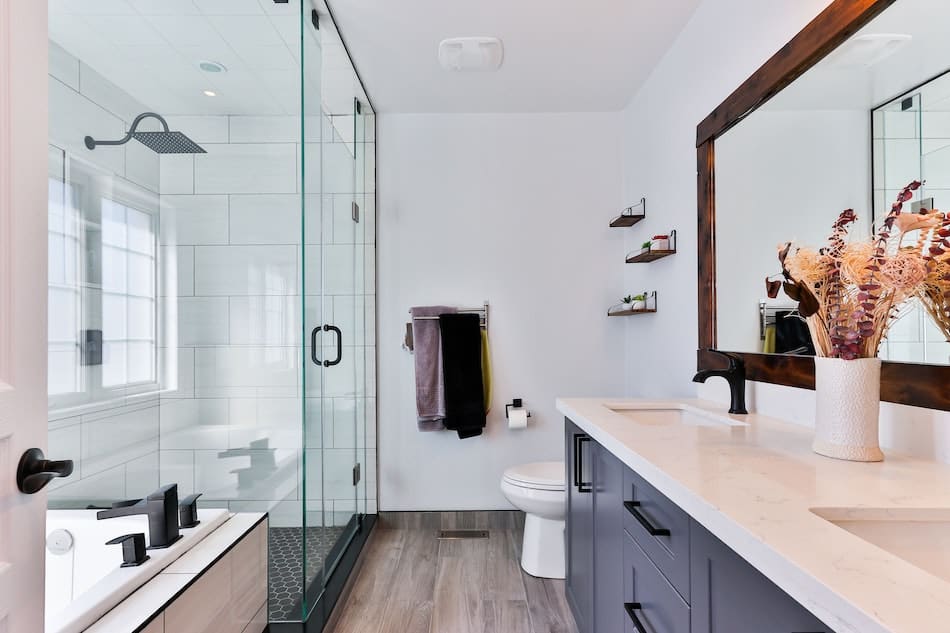
A bathroom should be a comfortable and practical space that supports everyday routines. Although bathrooms are often smaller than other rooms in a home, they require careful planning to make the best use of available space. A good design combines functionality, comfort, durability, cleanliness, and attractive visual details.
Whether you are updating an existing room or planning a completely new one, understanding the essential features of a well-designed bathroom can help you make sensible decisions. The right choices can improve convenience while creating a space that remains appealing for years.
Start With an Efficient Layout
An effective layout is the foundation of a successful bathroom. The position of the toilet, basin, shower, bath, and storage should allow people to move comfortably between different areas.
Poor planning can make even a large bathroom feel inconvenient. Doors, cabinets, and fixtures should not interfere with one another. In a smaller room, every centimetre should be considered carefully.
Before purchasing fixtures, measure the available space and think about how the room will be used. A practical layout can improve both comfort and safety.
Select Appropriate Fixtures
Bathroom fixtures should suit the size of the room and the needs of the household. Large fixtures may look impressive, but they can overwhelm a compact space.
Consider the following when choosing fixtures:
- Available floor space
- Ease of use
- Durability
- Water efficiency
- Cleaning requirements
- Overall design
A well-chosen basin, toilet, shower, or bath can improve everyday comfort without making the room feel crowded.
Include Sufficient Storage
Storage is one of the most important features of a functional bathroom. Without enough storage, toiletries and other products can quickly cover countertops and create unnecessary clutter.
Vanity units, wall cabinets, shelves, and drawers can provide useful storage. If floor space is limited, vertical storage can be particularly effective.
Storage should also be easy to access. Everyday products should be kept within convenient reach, while less frequently used items can be placed in higher or closed cabinets.
Choose Durable Materials
Bathrooms are constantly exposed to moisture, temperature changes, and regular cleaning. For this reason, materials should be selected for both appearance and durability.
Flooring should be suitable for wet conditions and provide good traction. Wall surfaces should resist moisture and be easy to clean. Cabinets and other furniture should also be appropriate for a humid environment.
Durable materials may require a greater investment initially, but they can provide better long-term value by reducing the need for frequent repairs or replacements.
Install Good Lighting
Lighting has a major effect on the functionality of a bathroom. Insufficient light can make grooming and cleaning difficult, while carefully planned lighting can make the entire space feel brighter.
General lighting should illuminate the room evenly. Additional lighting around the mirror can improve visibility for shaving, applying makeup, and other detailed tasks.
If natural light is available, make the most of it. Daylight can make a bathroom feel more spacious and pleasant while reducing the need for artificial lighting during the day.
Provide Effective Ventilation
Good ventilation is essential because bathrooms naturally produce moisture. Without adequate airflow, condensation can accumulate and contribute to dampness and mould.
A window can help provide natural ventilation, while an exhaust fan can remove humid air more effectively when required.
Keeping the bathroom well ventilated also helps protect walls, ceilings, cabinets, and other surfaces. Regularly cleaning ventilation openings can help maintain effective airflow.
Create a Suitable Colour Scheme
Colour can influence how a bathroom looks and feels. Light shades can make compact rooms appear more open, while neutral tones can create a timeless appearance.
Colour does not need to be limited to walls. Tiles, cabinets, towels, mirrors, and accessories can all contribute to the overall design.
A simple colour palette often creates a cleaner appearance. Small touches of contrast can then be introduced through accessories or decorative features.
Consider Safety and Accessibility
Safety should always be part of bathroom planning. Wet surfaces can become slippery, so flooring with appropriate grip is important.
Handrails or support features may also be useful for people who need additional stability. Clear pathways and sensible fixture placement can make the room easier to use for people of different ages and abilities.
Even if accessibility is not currently a major concern, flexible design choices can make a bathroom more convenient as household needs change.
Keep Cleaning in Mind
A beautiful bathroom should also be easy to maintain. Complicated designs with numerous small gaps or difficult-to-reach surfaces can increase cleaning time.
Choose finishes that can be cleaned easily and keep countertops as uncluttered as possible. Regular cleaning prevents the build-up of dirt and helps fixtures retain their appearance.
A simple maintenance routine can include:
- Cleaning sinks and toilets regularly
- Wiping shower surfaces
- Keeping floors dry when possible
- Checking taps and pipes for leaks
- Clearing drains
- Inspecting seals and grout
Add Personal Style
Once the practical features are planned, personal touches can make the bathroom feel more inviting. Towels, mirrors, storage baskets, plants, and carefully selected accessories can add character without overwhelming the space.
The best results usually come from balancing decoration with practicality. Every item should contribute to the room rather than create unnecessary clutter.
Conclusion
A well-designed bathroom combines efficient planning, durable materials, practical storage, effective lighting, ventilation, safety, and personal style. These features work together to create a space that is comfortable and convenient for everyday use.
Whether the bathroom is large or compact, thoughtful decisions can improve its appearance and functionality. By focusing on quality, organisation, and easy maintenance, homeowners can create a space that remains useful and attractive for many years.

Comments are closed.