

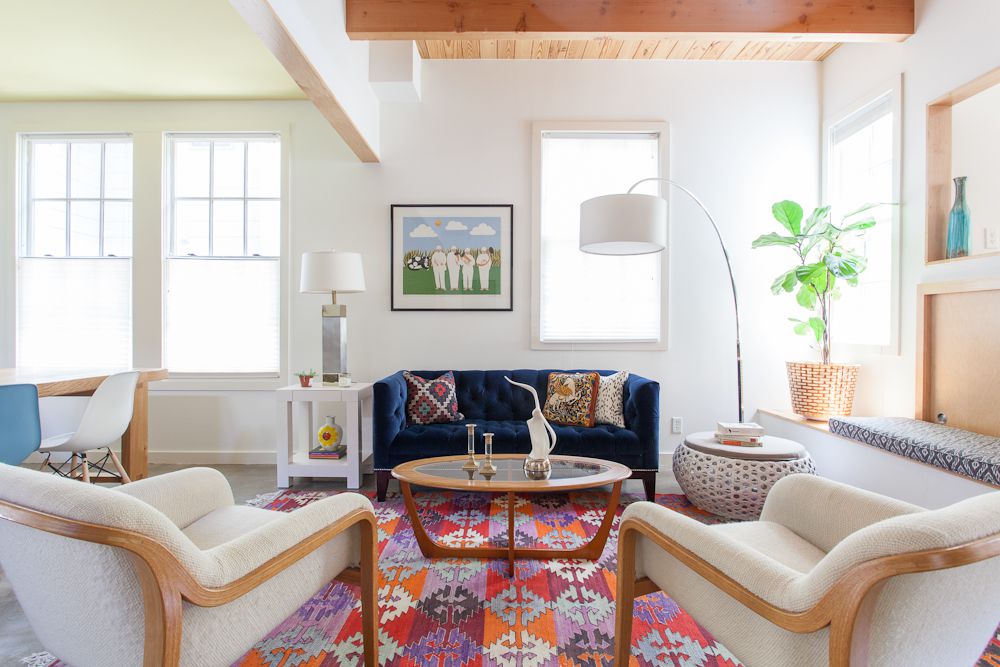
Decorating a home is an opportunity to create a space that reflects your personality while remaining comfortable and practical. A well-decorated room does not need expensive furniture or elaborate accessories. With thoughtful planning, suitable colours, balanced arrangements, and a few personal touches, you can make almost any space feel more welcoming.
Good decor is about creating harmony between different elements. Furniture, lighting, colours, textures, and accessories should work together rather than compete for attention. Whether you are decorating a new home or refreshing an existing room, a few simple principles can make the process easier.
Start With a Clear Plan
Before buying anything, consider how you want the room to look and how you will use it. A living room designed for entertaining may need a different arrangement from a quiet reading area.
Measure the room and note the position of doors, windows, electrical outlets, and other fixed features. This helps prevent furniture from being too large or awkwardly positioned.
It is also useful to choose a general style before shopping. Modern, traditional, minimalist, rustic, and contemporary styles can all work well, but mixing too many unrelated elements can make a room feel disorganised.
Choose a Suitable Colour Palette
Colour has a major influence on the atmosphere of a room. Soft neutral shades can create a calm and spacious feeling, while deeper colours can add warmth and character.
A simple approach is to select a main colour and then add one or two complementary shades. This creates consistency without making the room look repetitive.
Consider using colour through:
- Wall paint
- Curtains and blinds
- Rugs
- Cushions
- Artwork
- Decorative accessories
If you are unsure about using bold colours on walls, introduce stronger shades through smaller accessories that can easily be changed.
Pay Attention to Lighting
Lighting is one of the most effective ways to improve home decor. A room with attractive furniture can still feel dull if the lighting is poor.
Use a combination of general, task, and decorative lighting where appropriate. Ceiling lights can provide overall illumination, while table lamps and floor lamps can create warmer areas for reading or relaxing.
Natural light should also be considered. Keep windows relatively clear so that daylight can enter the room. Light-coloured curtains can provide privacy without making the space feel dark.
Select Furniture for Comfort and Proportion
Furniture should match the size of the room. Oversized pieces can make a small area feel crowded, while very small furniture may look out of place in a large room.
Before purchasing furniture, measure both the available space and the furniture itself. Make sure there is enough room for people to walk comfortably around each piece.
Comfort should also be a priority. Attractive furniture is useful only when it supports the way you actually live.
Add Texture for Visual Interest
A room can feel flat when everything has the same texture. Adding different materials creates depth and makes the space more inviting.
Soft cushions, woven rugs, wooden surfaces, curtains, throws, and textured fabrics can all contribute to a richer appearance.
The goal is not to use as many textures as possible. Instead, combine a few different materials that complement one another.
Use Artwork and Accessories Carefully
Decorative accessories can give a room personality, but too many items can create visual clutter. Choose pieces that have meaning or genuinely complement the room.
Artwork can serve as a focal point above a sofa, bed, console, or dining area. Mirrors are another useful decorative feature because they can reflect light and make a room appear more spacious.
When arranging accessories, group items in different heights and sizes to create a more natural composition.
Bring Nature Indoors
Plants can add colour, freshness, and texture to a room. They can work well in living rooms, bedrooms, kitchens, and other areas where suitable conditions are available.
Choose plants according to the amount of natural light and care you can provide. If maintaining live plants is difficult, carefully selected artificial greenery can also add a decorative touch.
Natural materials such as wood, stone, bamboo, and woven fibres can further create a warm and comfortable atmosphere.
Avoid Overdecorating
One of the most useful decor tips is to know when to stop. Filling every available surface with accessories can make a room feel crowded.
Leave some open areas so that important features can stand out. A clear surface can often make a stronger impression than a collection of unrelated objects.
Regularly review your belongings and remove items that no longer suit the room. This can make the space feel refreshed without requiring a complete redesign.
Create a Focal Point
Every room benefits from having something that naturally attracts attention. This could be a large piece of artwork, an interesting light fixture, a feature wall, a fireplace, or an attractive piece of furniture.
Once you have identified the focal point, arrange other elements around it rather than competing with it. This creates a stronger sense of structure.
Keep Your Personality Visible
A home should not look like a showroom. Personal photographs, favourite books, travel memories, handmade objects, or meaningful artwork can make the space feel authentic.
The best decor reflects the people who live there. Trends can provide inspiration, but your home should ultimately suit your lifestyle and preferences.
Conclusion
Decorating a home does not have to be complicated or expensive. A clear plan, balanced colours, suitable lighting, comfortable furniture, varied textures, and thoughtful accessories can transform an ordinary room.
The most effective decor tips focus on creating harmony while allowing personal style to remain visible. By choosing quality over quantity and making practical decisions, you can create a home that feels attractive, comfortable, organised, and genuinely yours.

Comments are closed.